How We Check a Route Before It Goes Up

Every gear note on this page starts on a club walk, on wet ground, and gets rewritten when the ground tells us something different.

Walked first, written second

Nothing gets published from a map alone. Someone from the group walks the line, notes where the path actually runs, and only then does a gear note get attached to it. If a route changes between seasons, the note changes with it.
What we record, and what we leave out

Distance, elevation, water points, wind exposure on open sections, marker condition and the months a traverse tends to work. We do not grade routes by how impressive they sound, and we do not write up a path we have not walked ourselves.

Gear notes tied to ground, not brands

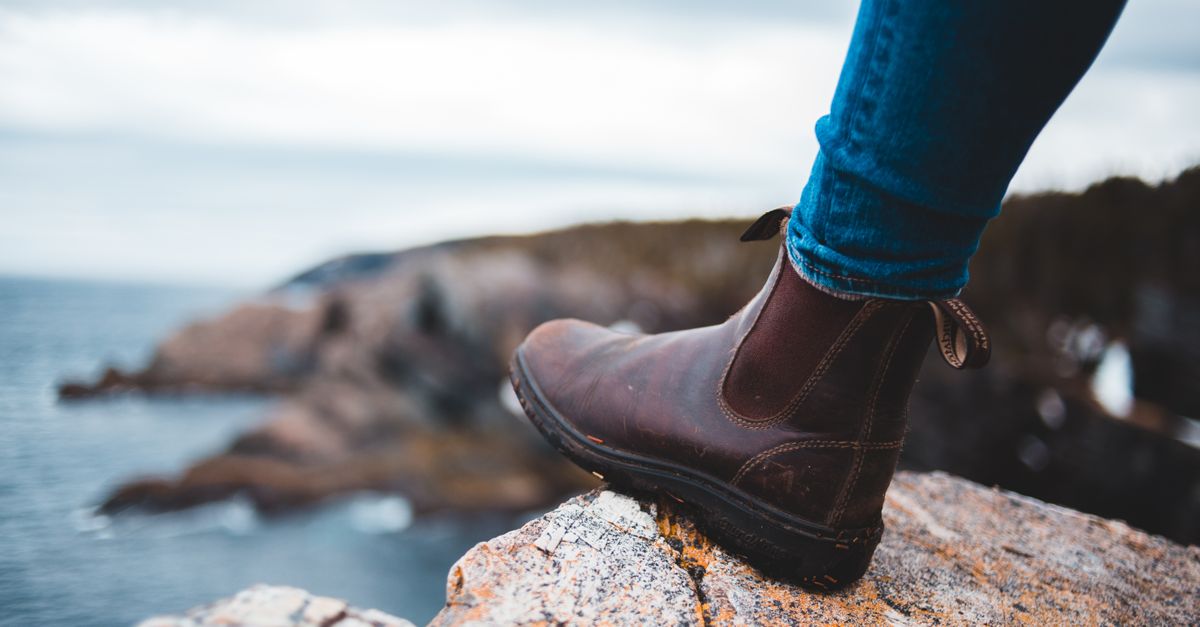
Footwear, packs and layering get discussed against the surface they met: slick coastal rock, clay descents, soft sand approaches, wind-driven mist on a ridge. Where a piece of kit struggled, that goes in the note alongside where it held up.

Submitted notes get read and checked

Route notes sent in by other walkers are read against what we already have. Where a detail conflicts, we flag it rather than quietly overwrite it, and where a path has changed, the older entry stays visible so the shift is traceable.

Corrections stay on the record

When a report turns out to be wrong, the correction is written into the same entry with the reason. A faded marker, a stream that stopped running, a shortcut that cut across fragile ground: all of it stays noted instead of disappearing.

Plain language, no promises

Reports describe conditions as they were found on the day. They do not promise a route will suit you, and they do not rank walks against each other. Read the notes, match them to your own pace and kit, and decide for yourself.

What walkers adjust, and when

Gear notes on this page come out of club walks on wet coastal ground, exposed ridges and paths that have grown over since the last report. Nothing here is written from a catalogue.

Orebic Trail Collective: adaptations
  • Footwear for slick rock and clay

    Lug depth and heel hold matter more than the label. We compare what members wore across a season of wet descents and note where each pair slipped, drained slowly or stayed heavy after a soaking.

  • Packs weighed against the route

    Carry weight is set by distance, elevation and how far the next reliable water sits. Notes cover what to leave behind on a short traverse and what earns its place on a full day out.

  • Layering for wind on ridges

    A base that manages sweat on the climb, a mid that stays warm when damp, and a shell that handles wind-driven mist without cooking you. Written for the months when coastal weather turns mid-walk.

  • Reading a path that has changed

    Where markers have faded, where vegetation has closed in, and where an informal shortcut saves an hour without cutting across fragile ground. Terrain features first, paint second.

Your notes make the next walk easier

If you have walked a coastal or mountain route and noticed a faded marker, a new water point or a shortcut worth knowing about, send it in. Reports from club walks already shape how these pages read, and a few lines from your own outing can save the next walker a wrong turn.

Route notes go to the same journal that grades weekend walks and records trail conditions. Nothing formal is required, just what you found on the ground.

Prefer to start reading first? Browse the route breakdowns or head back to the trail journal.

What these notes do not claim

Gear notes here are written from club walks, not from a shop counter. Before you read them as advice, a few boundaries are worth stating plainly.

The address below is a postal and contact point only. It is not a trailhead, a store or a meeting place, and nothing on this page should be read as an invitation to visit.

The Firs, 32A Cradock Avenue, Rosebank, Johannesburg, 2196, South Africa
+27 89 026 2224
contact@orebic-outdoors.com
  • "Held up" means one season, not a guarantee

    When a note says a boot gripped well or a shell kept the wind out, that is what we saw on the walks we did. It is not a durability claim, and it is not a promise about your pair.

  • No brand is paid to appear

    Footwear, packs and layering notes come from what members carried. Nothing on this page is sponsored, and no maker has seen these notes before you do.

  • Conditions move faster than a write-up

    Water points dry out, markers fade and overgrowth returns. Treat every note as a starting point for your own read of the ground, not as a fixed description of the route.

  • Submitted notes are edited, not published raw

    Route notes sent in are read, checked against what we know and trimmed for clarity. Sending them does not create an account, a saved draft or a public post under your name.

  • Grades describe the walk, not the walker

    Easy, moderate, hard and severe describe the ground, distance and exposure of a route. They are not a judgement of fitness, and they do not replace your own call on the day.

  • You are responsible for your own route

    We walk these paths on foot and write down what we found. We do not guide, supervise or take responsibility for how you plan, pack or walk a route of your own.